

Orthodontist with 8+ years treating children and adults with braces and non extraction techniques. Co founder and Clinical Director of Devita, Bengaluru.

1st floor, 17/A, 20th Main Road, Next to Mahalakshmi Metro Station, 1st R Block, Chord Road, Rajajinagar, Bengaluru, Karnataka 560010
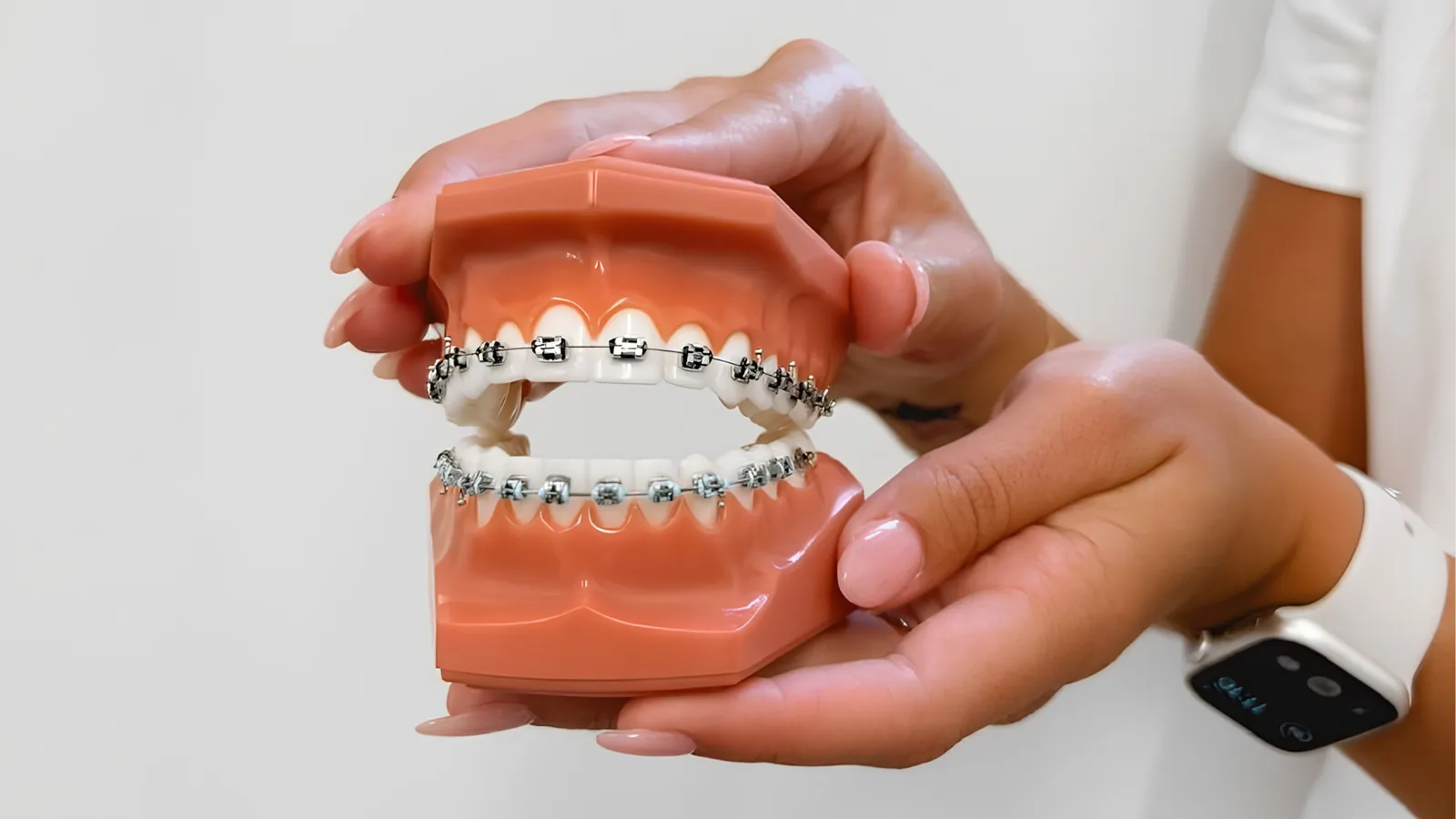
Braces are brackets stuck onto teeth and joined by a wire that, over a year or two, pulls crooked or gapped teeth into line and fixes the bite. Teenagers and adults with healthy gums can have them. At Devita Dental and Maxillo Facial Care in Rajajinagar, a specialist orthodontist plans each case and avoids taking teeth out unless there's a good reason.
Teeth aren't set in the jaw like stones in cement. Each one hangs in its socket from a sling of fibres called the periodontal ligament, and the bone around it keeps renewing itself.
As a result of the constant pressure exerted on a tooth by the wire, bone gradually erodes in front of it and bone grows behind it. Braces can’t really be rushed, either. Too much pressure will just end up hurting your teeth.

Your first visit is fact finding.
Photos, a 3D scan and an OPG, a wide X ray showing every root and any teeth still buried in the jaw. Bring any old X rays you have.
Putting braces on needs no injection.
Brackets are glued on, set with a blue light, and a bendy wire slides in. About an hour. By dinner your teeth feel tight, which is normal.
You'll come back every four to six weeks. Springy nickel titanium wires untangle the crowding first, then stiffer steel wires line up roots and close gaps. Some patients wear tiny rubber bands to correct the bite. People find them annoying. They're also often the difference between finishing on time and months late.
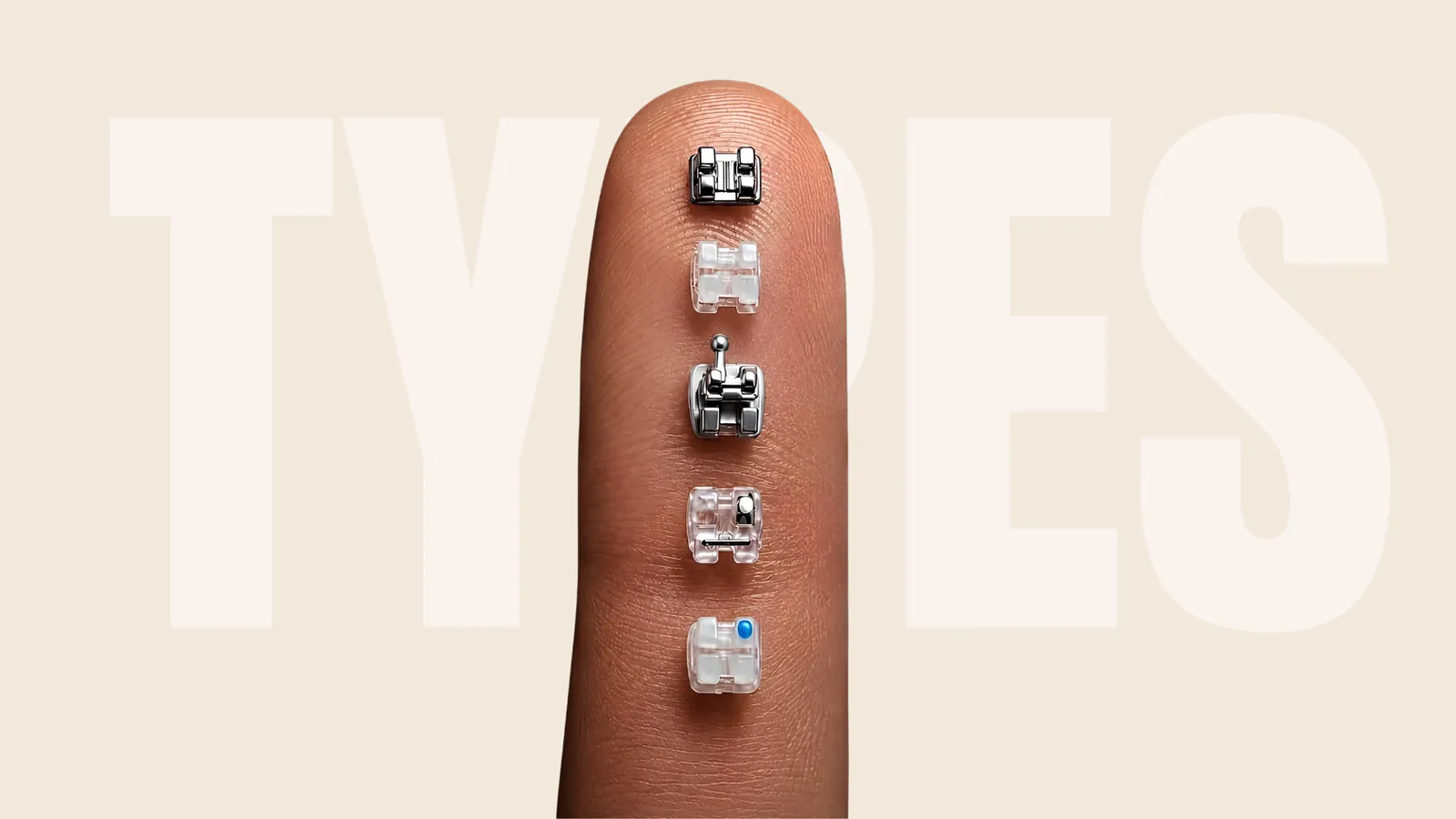
Metal braces.
Small, tough and the most affordable. They handle any tooth movement, which is why most teenagers have them.
Ceramic braces.
Tooth coloured, so most people won't notice them across a table. Working professionals like them, and so does anyone with a wedding coming up. They're a little more delicate with hard food.
Self ligating braces.
A little clip holds the wire instead of elastic rings, so less plaque gets trapped.
Damon braces.
A self ligating system with lighter forces, often used to make space without removing teeth.
Stuck choosing? The bracket mostly changes the look. The result comes from the plan and from you turning up.
Your smile will look better, but orthodontists care just as much about health.
Crowded teeth have inaccessible spots where plaque builds up over the years, and your gums become swollen and cavities develop between your teeth. Only once you have straightened your teeth will brushing become effective.
If only a few teeth meet properly, they carry the chewing load and wear, chip or loosen. And children with protruding front teeth are more likely to break them in a fall.
The American Association of Orthodontists suggests an orthodontic check by age 7. Not braces, just a look, to catch a crossbite, narrow jaw or thumb sucking habit while the jaw is easy to steer.
Most children get braces between 11 and 14. If board exams are coming, start a few weeks before or right after, not during.
Adults are absolutely fine. Teeth move slower after your twenties, but they move. We won't compromise on gum health though, because moving teeth through gum disease speeds up bone loss.
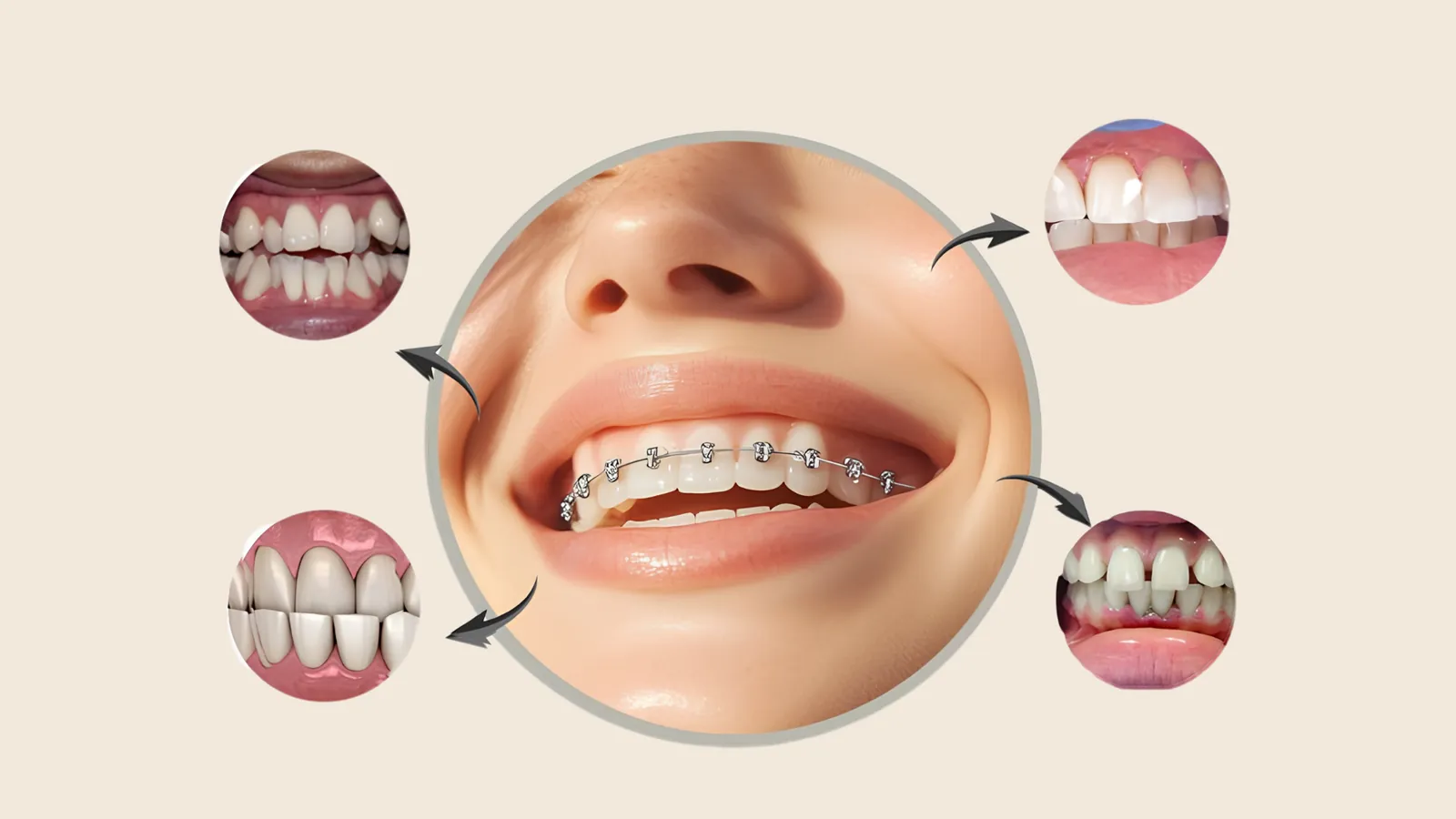
Braces treat crowding, gaps, buck teeth, deep bite, underbite, crossbite and open bite.
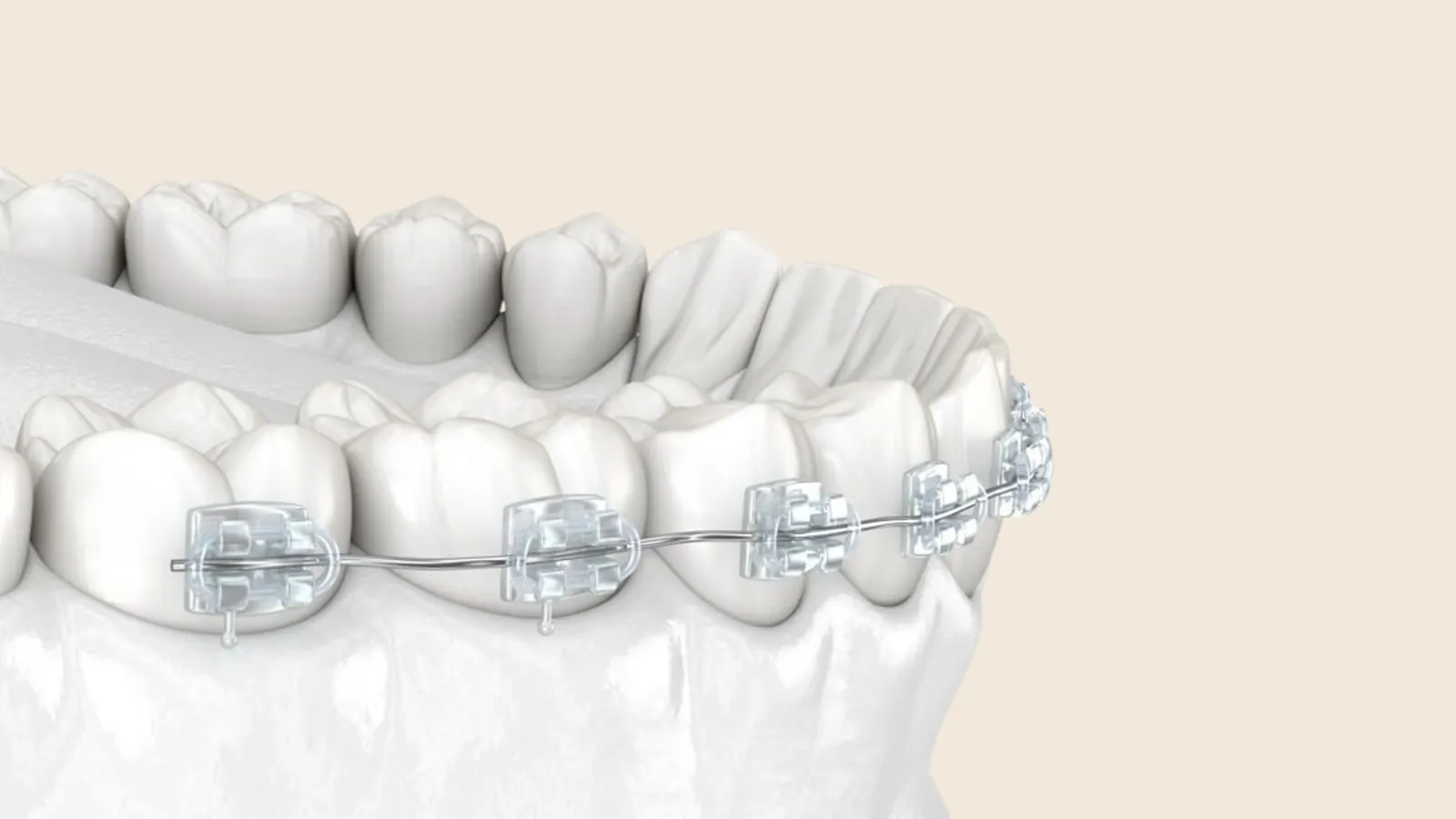
These are our clinic prices at Devita for complete treatment, including adjustments and removal.
Why a range? A small front gap and a deep bite with heavy crowding are very different amounts of work. Your exact fee is written down at the planning visit. EMI is available, and members get 8% off.
The first week, teeth feel sore and a bit wobbly. Idli and curd rice help.
The big visible change usually comes in the first six months. After that, progress is harder to see, as roots straighten and the bite settles. Most treatments finish in 12 to 24 months. When it runs long, it's nearly always missed appointments, broken brackets or rubber bands left in a drawer.
After braces come off.
People underestimate this part. The stretched fibres around each tooth spend months trying to pull it back, and teeth drift with age anyway.
So you'll get retainers.
Typically, these will consist of a thin metal wire cemented to the back of your lower front teeth and also a clear removable retainer, which is worn during the daytime initially and later only at night. The Cochrane review did not find any specific type of retainer superior to others; hence we prescribe one depending on your needs.
Braces have been used for over a century and are very safe.
Teeth ache for a few days after adjustments, and paracetamol helps. Brackets rub the cheeks at first, so we give you orthodontic wax. Plaque left around brackets can leave permanent white marks, which is why we're fussy about brushing. Root tips sometimes shorten slightly, which we check on X rays.
Broken brackets are the usual problem, mostly from toffees, chikki and corn on the cob. If a wire pokes, push it down with a pencil eraser and cover it with wax.
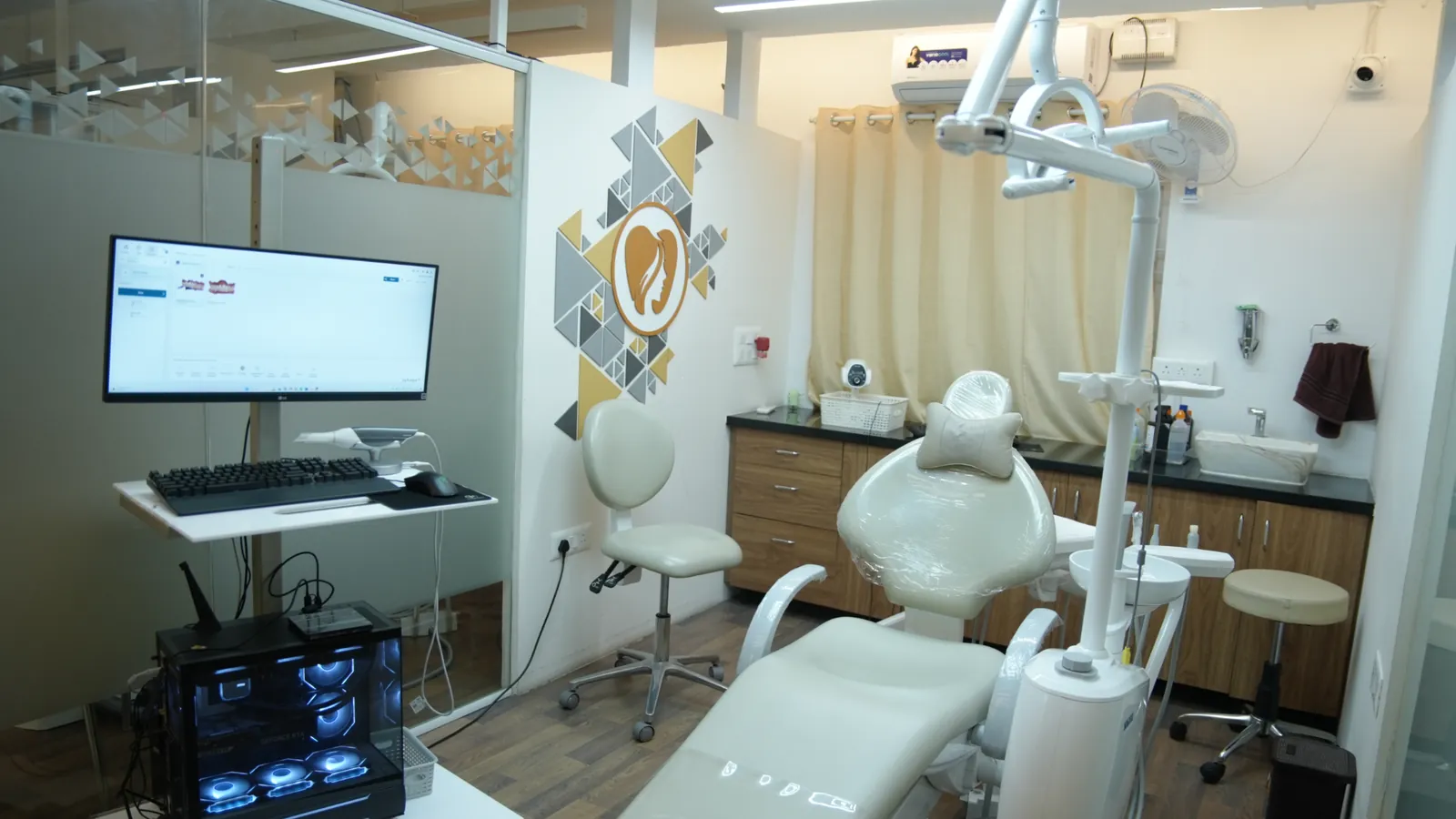
The same specialist orthodontist plans and adjusts your braces from the first scan to your last retainer check.
We really do try to avoid extractions, often by widening a narrow arch or polishing a sliver of enamel between teeth. When removal genuinely helps, we'll show you why on your own X rays.
If a canine is stuck in the bone, our oral surgeon works in the same clinic, so you won't be sent across the city.
We're a short walk from Mahalakshmi Metro Station, open Monday to Saturday, with Sundays by appointment.
Orthodontist with 8+ years treating children and adults with braces and non extraction techniques. Co founder and Clinical Director of Devita, Bengaluru.

Oral and Maxillofacial Surgeon with 8+ years of experience. Co founder and CEO of Devita, Bengaluru. He handles surgical orthodontic cases like impacted canines and jaw surgery.
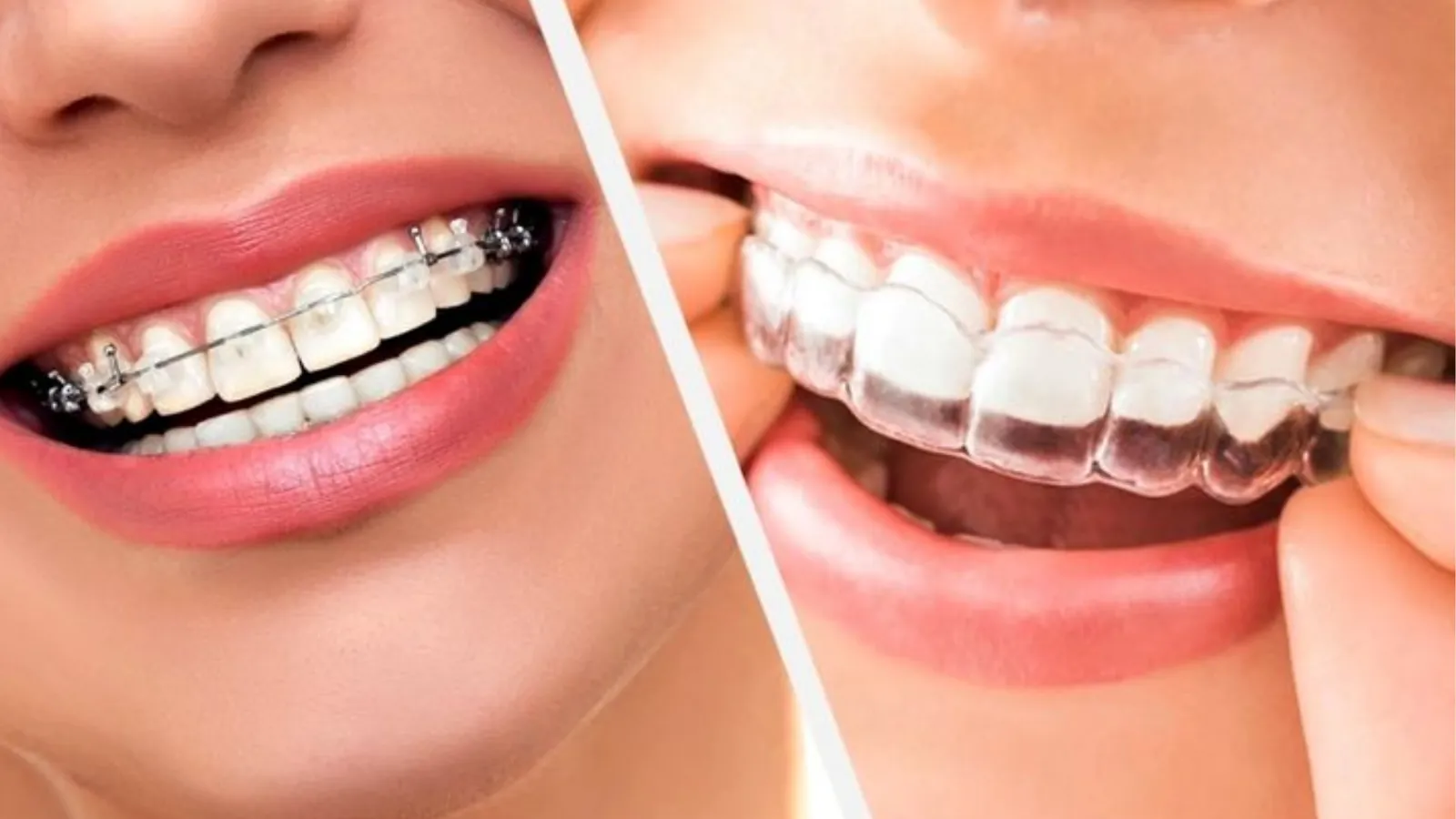
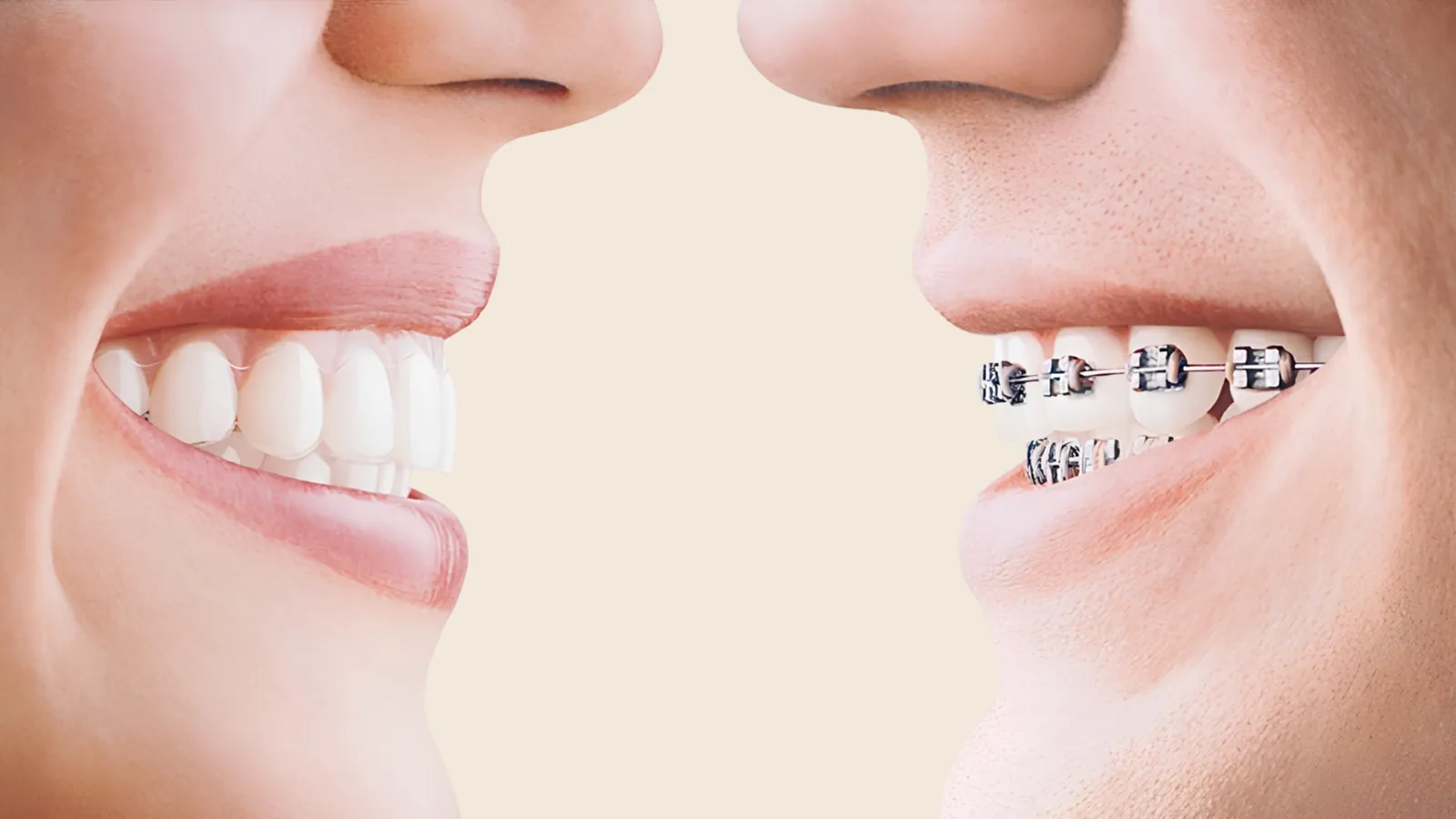
| What matters to you | Braces | Clear aligners |
|---|---|---|
| Severe crowding or twisted teeth | Handles it well | Often limited |
| Remembering to wear them | Nothing to remember | 20 to 22 hours a day |
| Cost | Lower | Higher |
Braces for teeth make more sense for severe crowding, badly twisted teeth, or a teenager who probably won't wear aligners all day. Once on, there's nothing to remember. For mild cases, aligners are a reasonable alternative to braces.
Getting them on doesn't. Teeth feel sore for a few days after, more ache than pain.
Metal braces cost ₹30,000 to ₹50,000 and ceramic braces ₹45,000 to ₹75,000 for the full treatment.
Usually within three to six months.
No, as long as gums and bone are healthy.
Not if you keep them clean and come for your check ups.
Teeth slowly move back. Night wear keeps your result.
Braces are a commitment of a year or more, so you deserve straight answers first. At Devita, you'll see your scans, understand every option and know the full cost before deciding.
Visit us on the 1st floor, 17/A, 20th Main Road, next to Mahalakshmi Metro Station, Rajajinagar, or call +91 91106 55755 or +91 86606 56796.